
Зміст
Utility portals have improved a lot. Many now show daily or hourly usage, bill comparisons, and rate-plan information. Still, they usually feel like a rearview mirror. By the time the data is clear, the expensive charging session or HVAC spike already happened.
A home energy monitor app is different because it is closer to the house. It can show what is happening now, not just what the meter reported later.
Utility Data Is Built for Billing
A utility portal is designed around meter reads, account history, and customer programs. That makes it useful for understanding bills and long-term patterns. It may be less useful for deciding whether to start the dryer, delay EV charging, or preserve battery reserve tonight.
The U.S. Energy Information Administration notes that electricity costs can vary by time of use and customer class. If a household is on a rate where timing matters, delayed visibility can limit the value of the data.
A real-time home energy app can fill that gap by showing energy flow close to the moment decisions are made.
The App Should Connect the Devices
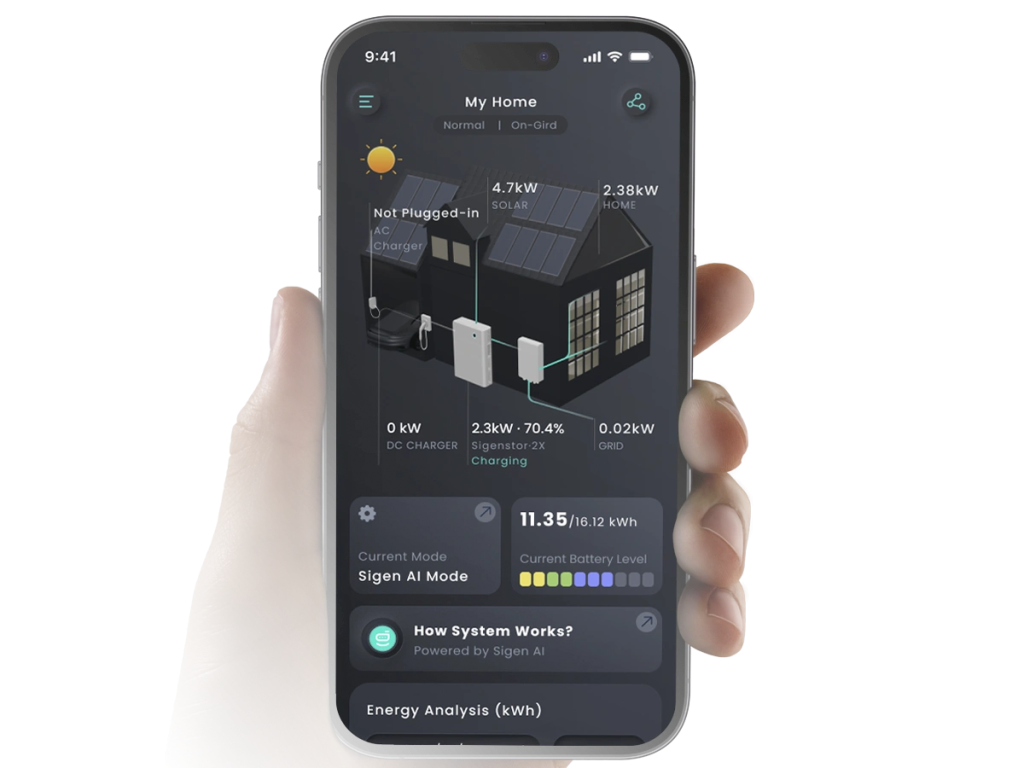
The real difference appears in homes with solar, storage, EV charging, or smart loads. The homeowner needs to know whether solar is feeding the house, charging the battery, exporting to the grid, or supporting the EV. A utility portal may only show net energy at the meter.
That net number can hide important behavior. The home may export solar at noon and import power at night. It may charge a battery from solar or from the grid. It may run an EV charger during a peak window. Those details matter if the goal is control.
A Good View Reduces App Fatigue
Many homes end up with one app for the inverter, one for the battery, one for the charger, and one for the utility. That can work, but it also asks the homeowner to stitch together the story. A better energy app makes the story easier to read.
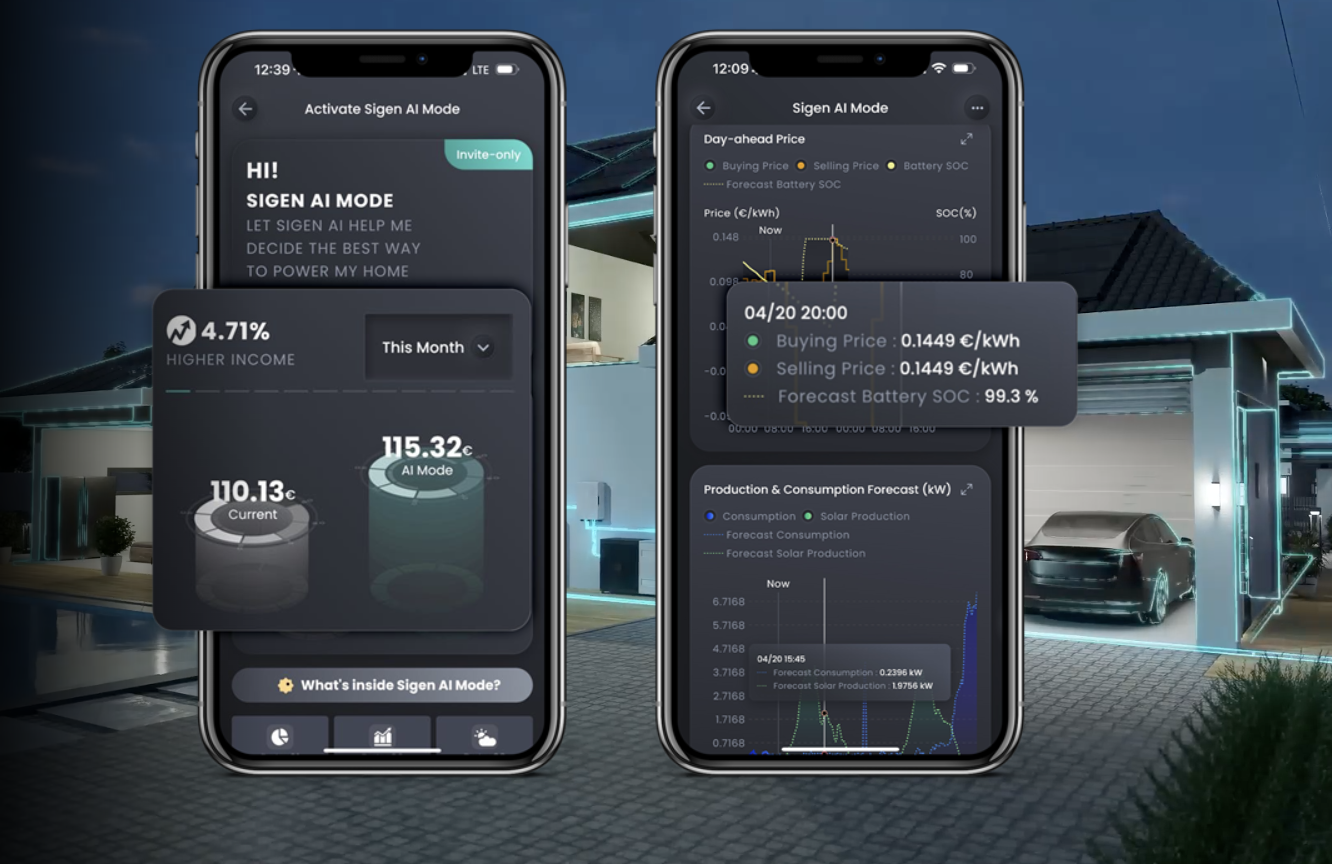
The mySigen energy flow view belongs in this kind of article because it represents the homeowner-facing layer of the energy system: flow visualization, control, and operating context.
A utility portal also cannot always explain behind-the-meter energy. If solar powers the home directly, that energy may never appear as a grid import. If a battery discharges into the house, the meter may only show that grid use fell. The portal is useful, but it may hide the very behavior the homeowner wants to improve.
The best setup uses both views. The utility portal confirms the bill and rate-plan outcome. The home app explains the daily mechanics behind that outcome. When the two are read together, the homeowner can see whether lower grid use came from real efficiency, solar self-consumption, battery timing, or simply milder weather.
This difference matters during troubleshooting. If the utility bill rises, the portal can confirm the month was expensive. The home app can show whether the cause was a new EV schedule, a battery setting, an HVAC pattern, or a load that quietly started running longer than before.
Utility portals are useful for bills. A home energy app is useful for decisions that need to happen before the next bill exists.

